
How to Heal Chapped Lips in Winter: 8 Dermatologist-Backed Tips
29/10/2026
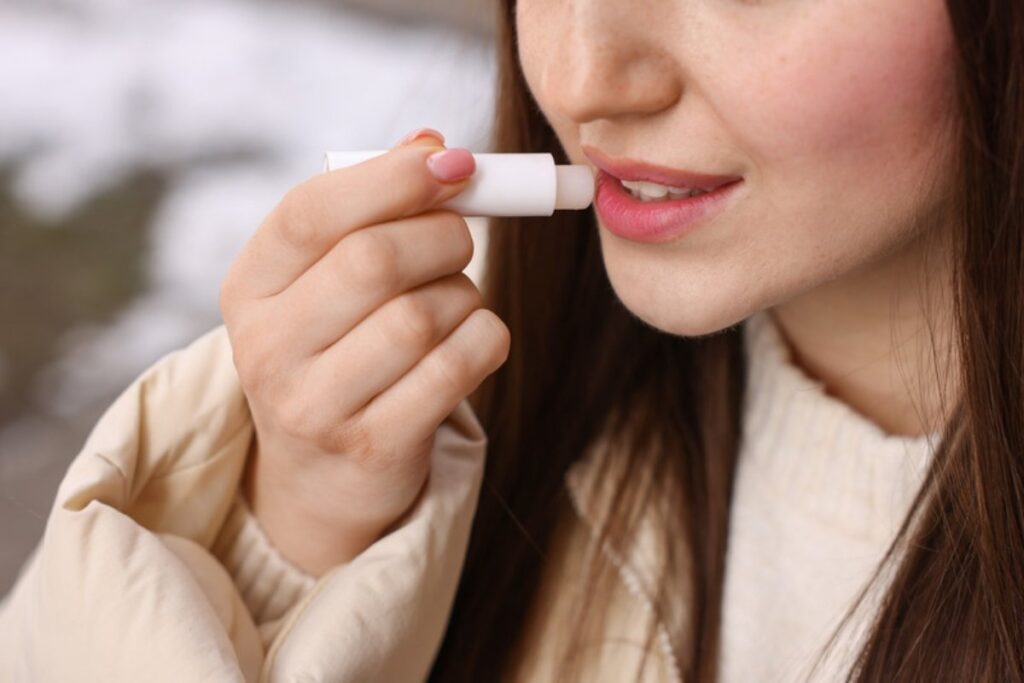
Cold air outside, dry heat inside, and a scarf rubbing against your mouth all day: winter is hard on lips. The skin there is thin and has very few oil glands, so it dries out faster than the rest of your face. The good news is that most chapped lips get better with a few simple habit changes. Below are the tips dermatologists recommend, plus how to get your lips ready for holiday lipstick.
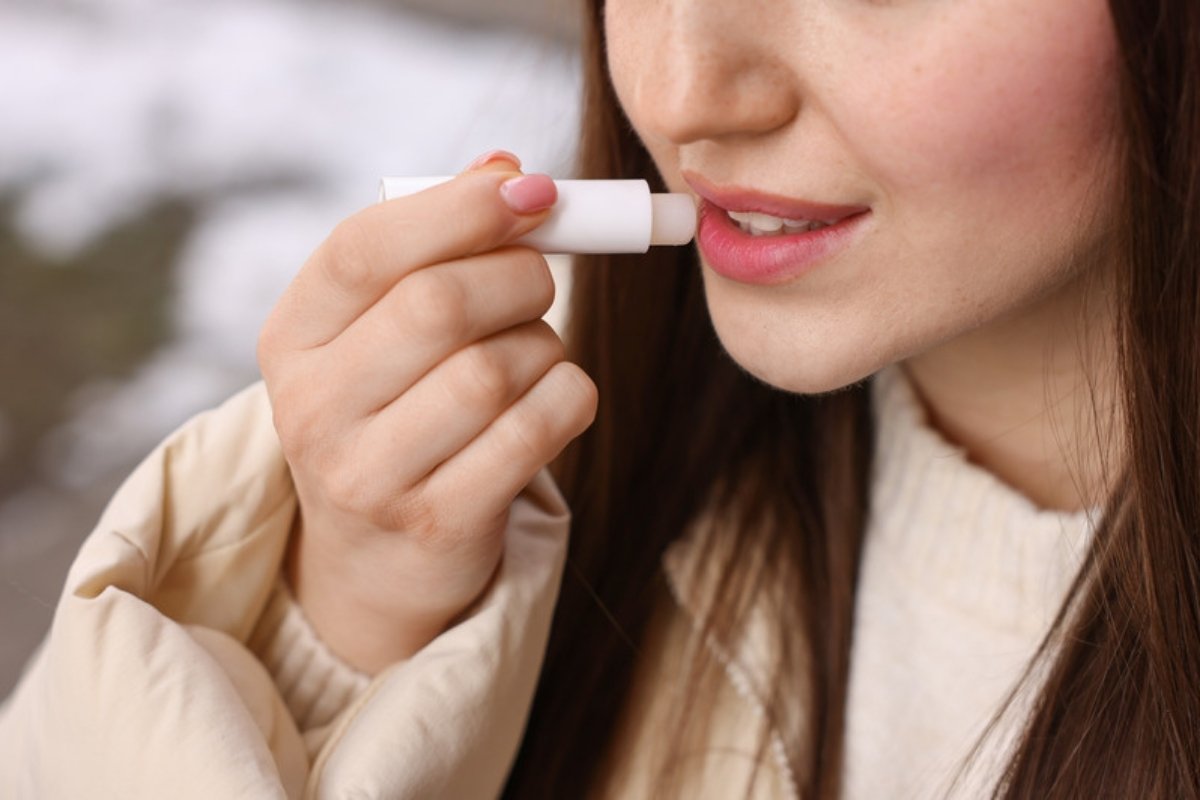
1. Switch to a lip balm without irritants
If your balm tingles, burns or stings, it is not "working." That feeling is irritation, and it can keep lips dry and cracked. Many popular balms contain ingredients that feel cooling or smell nice but make chapping worse.
The American Academy of Dermatology (AAD) suggests avoiding lip products with camphor, eucalyptus, menthol, fragrance, flavorings such as cinnamon, citrus, mint and peppermint, lanolin, phenol, propyl gallate, salicylic acid, and the sunscreen filters octinoxate and oxybenzone.
Instead, read the label for ingredients like petrolatum or white petroleum jelly, shea butter, ceramides, dimethicone, castor seed oil, hemp seed oil and mineral oil. Fragrance-free and hypoallergenic formulas are the safest bet. If you have sensitive skin or have reacted to a lip product before, test a new one on a small patch of skin first and stop using anything that causes redness or itching.
2. Reapply balm often, and go thicker at night
One swipe in the morning won't last through a cold, windy day. Apply your balm several times a day, especially after eating, drinking and washing your face, and always before bed.
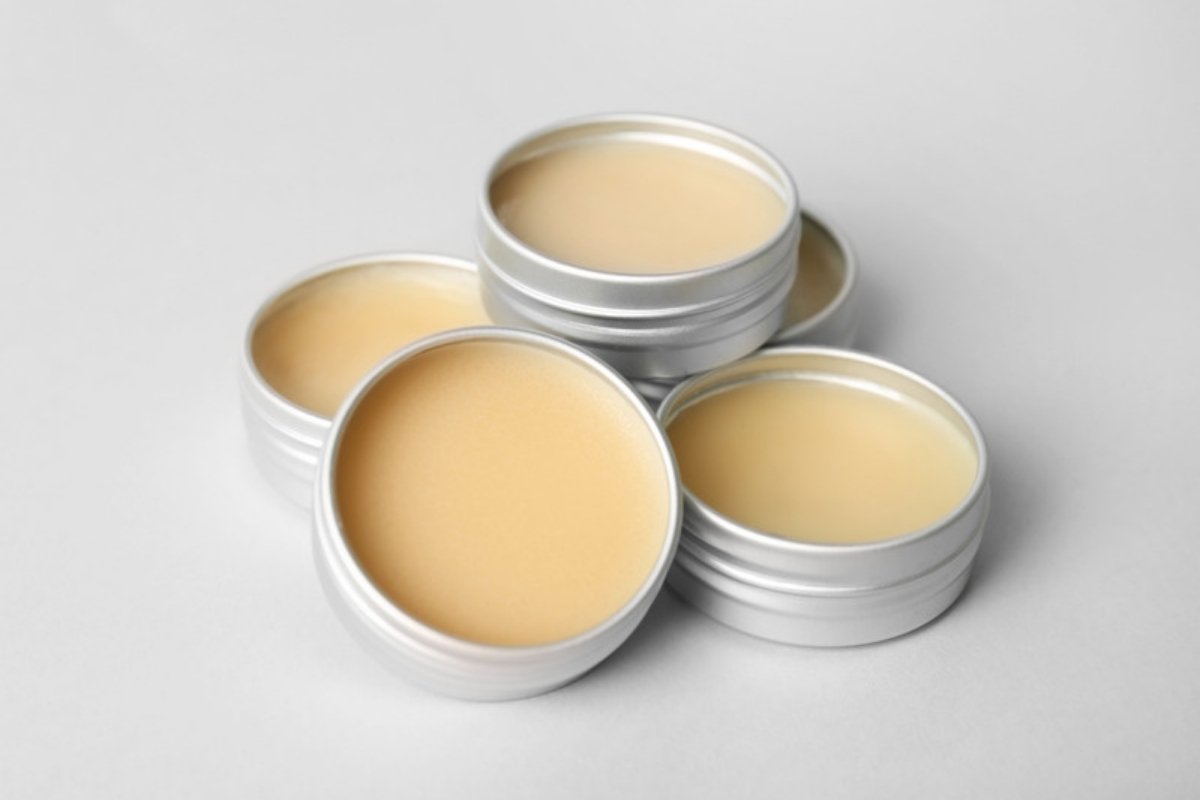
For lips that are already cracked or peeling, an ointment works better than a stick. The AAD points out that ointments seal in water longer than waxes or oils, so a thin layer of plain white petroleum jelly is a cheap and effective overnight treatment. It works best on slightly damp skin, so apply it right after washing your face.
Keep a balm in every place you spend time: your coat pocket, your desk, your bag and your nightstand. If it's within reach, you'll actually use it.
3. Wear SPF 30 on your lips, even in winter
Sun damage doesn't stop when the temperature drops. Snow reflects UV light, and a sunny ski day or a long winter walk can leave lips dry and burned. Sun exposure can also trigger cold sores in people who get them.
Before you head outside, put on a non-irritating lip balm with SPF 30 or higher. Look for mineral sun filters such as zinc oxide or titanium dioxide. Reapply every two hours while you're outdoors, and more often if you're eating or drinking.

4. Stop licking, biting and picking
Licking your lips feels like it helps, but it makes things worse. Saliva evaporates quickly and takes moisture with it, leaving lips drier than before. Biting or peeling off flakes can open small cracks that sting and take longer to heal.
When you feel the urge to lick, reach for your balm instead. If flakes bother you, soften them with a layer of petroleum jelly and let them come off on their own rather than pulling at them.
5. Run a humidifier while you sleep
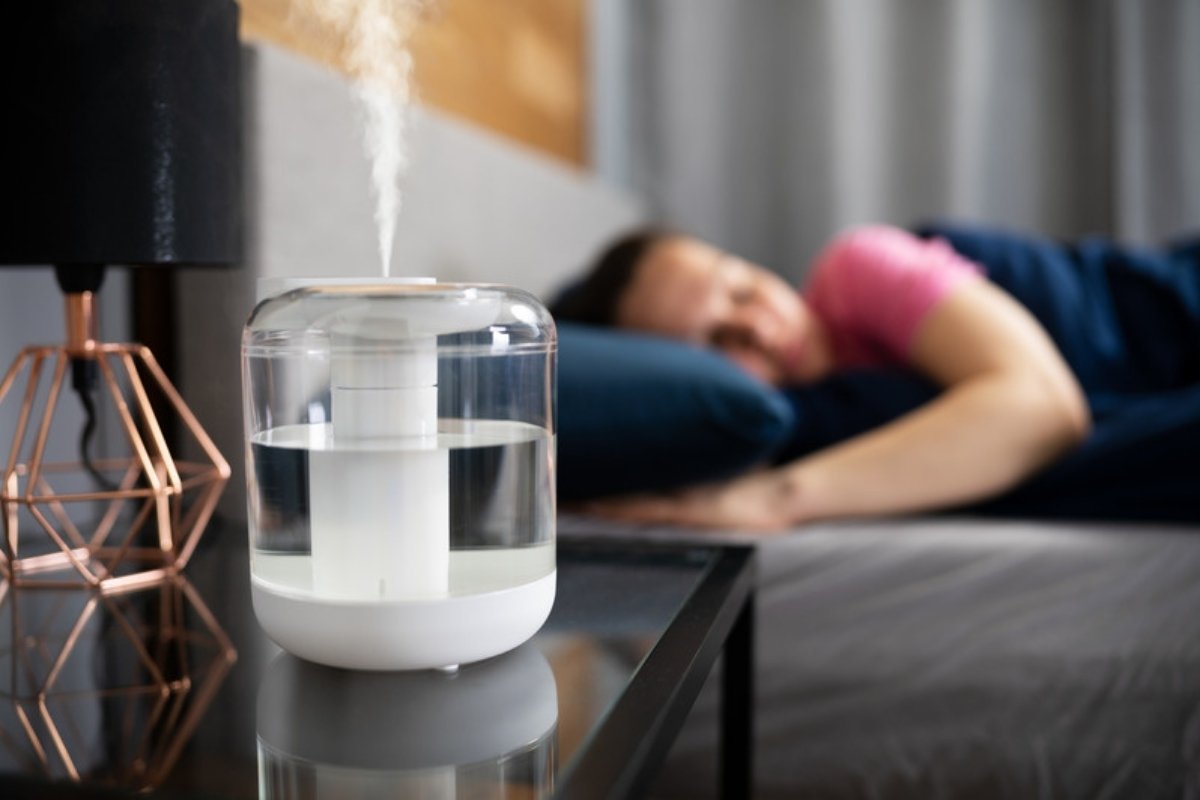
Indoor heating dries the air in your home, and you spend about a third of the day breathing it in your bedroom. A humidifier adds moisture back into the air, which helps your lips and the rest of your skin.
This tip matters most if you breathe through your mouth at night, for example when you have a stuffy nose from a cold. Keep the humidifier clean and follow the maker's instructions, since standing water can grow mold and bacteria.
6. Drink enough water during the day
In winter, it's easy to forget to drink because you don't feel as thirsty as you do in summer. Staying hydrated helps your lips stay comfortable from the inside, so keep a water bottle on your desk and refill it a few times a day.
Warm drinks count too. Herbal tea is a cozy way to get more fluids in when it's cold outside.
7. Keep metal and other irritants away from your lips
Holding paperclips, keys, pens with metal tips or jewelry between your lips can irritate skin that is already sensitive. Try to break the habit while your lips are healing.
Also look at what touches your lips every day. A new toothpaste with strong mint flavor or a heavily scented lipstick can be the hidden reason your lips won't heal. If the dryness started at the same time as a new product, take a break from it and see if things improve.
8. Prep your lips before holiday lipstick
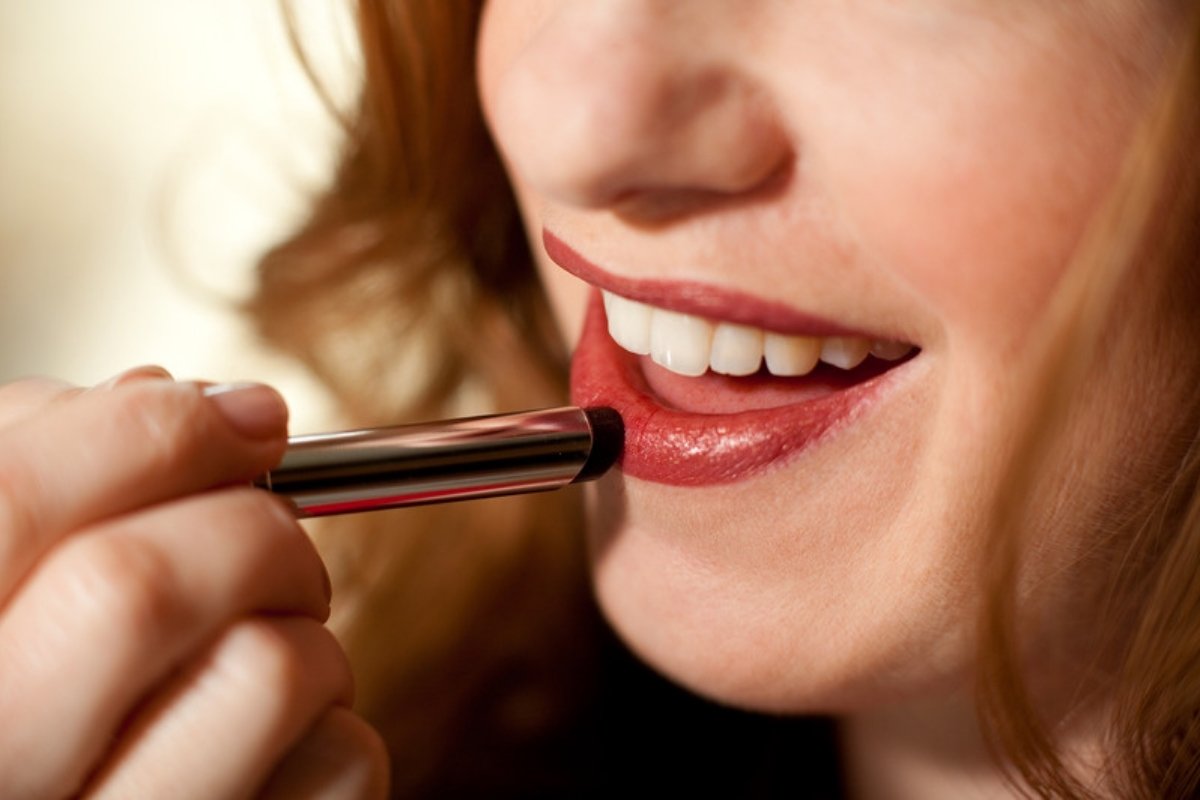
Party season means red lips and long-wear formulas, and those look best on smooth lips. Start a few days ahead: use petroleum jelly every night so lips are soft by the time of the event.
On the day, apply a thin layer of a fragrance-free balm about ten minutes before your makeup, then blot off the extra with a tissue so your lipstick doesn't slide. Matte and long-wear lipsticks can feel drying, so a creamy or satin formula is kinder to lips that are still healing. At the end of the night, remove lipstick gently with an oil-based remover instead of scrubbing, and finish with your night balm.
Common mistakes to avoid
- Using a minty or tingly balm. The cool feeling comes from ingredients that can irritate dry lips.
- Scrubbing flakes away. Harsh lip scrubs can open cracks. Let a thick ointment soften flakes instead.
- Skipping SPF in winter. UV light reflects off snow, so lips still need protection.
- Licking your lips "to moisturize." Saliva dries them out even more.
- Forgetting the bedroom. Dry heated air at night undoes a lot of daytime care.
Frequently asked questions
How long do chapped lips take to heal?
According to the AAD, most chapped lips heal within two to three weeks with good self-care. If yours don't improve in that time, see a board-certified dermatologist. An allergic reaction, an infection or another skin condition can look like chapped lips, and only a doctor can tell the difference.
Is petroleum jelly good for chapped lips?
Yes. Plain white petroleum jelly is one of the ingredients dermatologists recommend for very dry, cracked lips. It's fragrance-free, inexpensive and works well as an overnight treatment.
Can I wear lipstick while my lips are chapped?
You can, but choose a creamy, fragrance-free formula and put a thin layer of balm underneath. Save matte and long-wear lipsticks for when your lips feel smooth again.
More beauty ideas
- 5 Common Winter Skin Care Mistakes You Should Avoid
- How to Keep Your Skin Hydrated During the Winter Months
- Treatments for Dehydrated Skin vs. Dry Skin: Differences and Solutions
- How to Make Matte Lipstick Last All Day
Soft lips in winter come down to a few small habits: a gentle balm, a thick layer at night, SPF when you go out, and leaving them alone between applications. Start tonight with a layer of petroleum jelly, and your lips will feel the difference in a few days.

You may also like