
Hair Colors That Enhance Your Face Shape: Not Just the Cut
07/04/2025 · Updated on: 27/03/2025

When it comes to flattering your face, the conversation usually starts with the haircut. Layers, angles, length—all play a role in shaping your overall look.
But there’s something just as powerful that often gets overlooked: hair color. The right color placement can contour, lift, soften, and define your features just as effectively as a well-executed cut.
It’s not just about choosing a shade that suits your skin tone. Strategic hair color placement can balance proportions, draw attention to your best features, and even change how your face shape is perceived.
Whether you’re looking to elongate, slim, soften, or add dimension, your colorist’s brush may be more influential than the scissors.
Why Color Placement Matters for Face Shape
Color adds dimension and depth. When applied thoughtfully, it can mimic the effects of contouring, adding light where you want to bring attention and shadow where you want to soften.
Much like how makeup is used to highlight cheekbones or define a jawline, highlights, lowlights, and root shadows can sculpt your face visually.
A pop of brightness near the cheekbone can lift the face, while darker tones at the crown can elongate a round face or soften a strong jaw.
Hair color isn’t just about expression—it’s also about balance and symmetry. When used with intention, it can support your features in subtle yet transformative ways.

Face Shapes and the Color Techniques That Work Best
Different face shapes call for different approaches. The goal isn’t to drastically change your appearance but to work with your features in a way that feels natural, flattering, and modern.
Round Face
A round face has equal width and height, with softer edges. The aim here is often to create the illusion of length and structure.
Best color strategy:
Add brightness around the crown to draw the eye upward.
Keep the sides darker to avoid emphasizing width.
Vertical highlights or face-framing balayage that starts at the cheekbone level help elongate the face.
Root shadows also create depth at the top, subtly lifting the overall shape.
Avoid chunky highlights on the sides, which can widen the face.
Oval Face
Oval faces are well-balanced and versatile, with a slightly longer shape and gently rounded jawline. Almost every color technique flatters this shape, but placement still makes a difference.
Best color strategy:
Soft balayage or highlights that start mid-length bring a natural flow.
Subtle variations in tone add movement without overwhelming the face.
Play with multi-dimensional shades to enhance symmetry and add texture.
The key is not to overdo it. A balanced face shape calls for balanced color, not extremes.
Square Face
Square faces have a strong jawline and broad forehead. The goal here is usually to soften angles and add movement.
Best color strategy:
Go for softer, blended highlights that curve around the face.
Honey or caramel tones placed near the temples can draw attention away from sharp lines.
A bit of brightness around the ends helps break up the strength of the jaw.
Avoid harsh contrast near the roots or jawline—this can make the face appear boxy. Focus on melting tones that create flow and movement.
Heart-Shaped Face
Heart-shaped faces are widest at the forehead and narrowest at the chin. The aim is to balance the top-heavy structure and bring softness to the lower half.
Best color strategy:
Keep the crown area deeper to reduce width at the top.
Add lighter tones around the jaw and ends to pull attention downward.
Curtain highlights or face-framing pieces that begin around the jawline help create a visual balance.
Think of it as color contouring—darker at the top, lighter at the bottom.
Long or Oblong Face
Long faces are characterized by vertical length. The goal here is to add width and dimension horizontally.
Best color strategy:
Choose highlights that start closer to the root and are spread throughout the mid-lengths.
Horizontal placement or lowlights at the crown add visual weight.
Ombre or dip-dye styles can work well if the transition is smooth.
Avoid vertical streaks or highlights that elongate the face even more. The goal is to break up the length, not emphasize it.

Additional Tips to Elevate Your Look with Color
Color doesn’t have to be dramatic to make a statement. Even subtle techniques can have a major impact if done thoughtfully. Here are a few ways to make your color work even harder for you:
Face-Framing Highlights
Also known as "money pieces," these lighter strands around the face brighten the complexion and emphasize bone structure. Placement is everything—where they begin and end can lift, soften, or elongate your features.
Root Shadows and Smudging
These techniques add depth at the crown and make color look more lived-in. For round or heart-shaped faces, root shadows can visually narrow the forehead or elongate the profile.
Balayage vs. Foils
Balayage offers a more natural, sun-kissed look with softer transitions, ideal for face shape enhancement. Foils give more contrast and control, but if not placed thoughtfully, they can emphasize sharp features or unbalance the shape.
Color Melt
Perfect for square and long faces, this technique involves blending multiple tones into one another for a seamless gradient. It adds softness and prevents any harsh break between shades, which is crucial for facial harmony.
Beyond Shape: How Skin Tone Plays a Role
While face shape determines where the color goes, skin tone still influences what shade to use. Cool undertones pair best with ashy or icy shades, while warm skin glows with golden, caramel, or copper tones. Neutral undertones can swing either way, offering more flexibility.
Getting both factors right—tone and shape—makes the result look intentional and balanced.
Color That Works With Your Cut
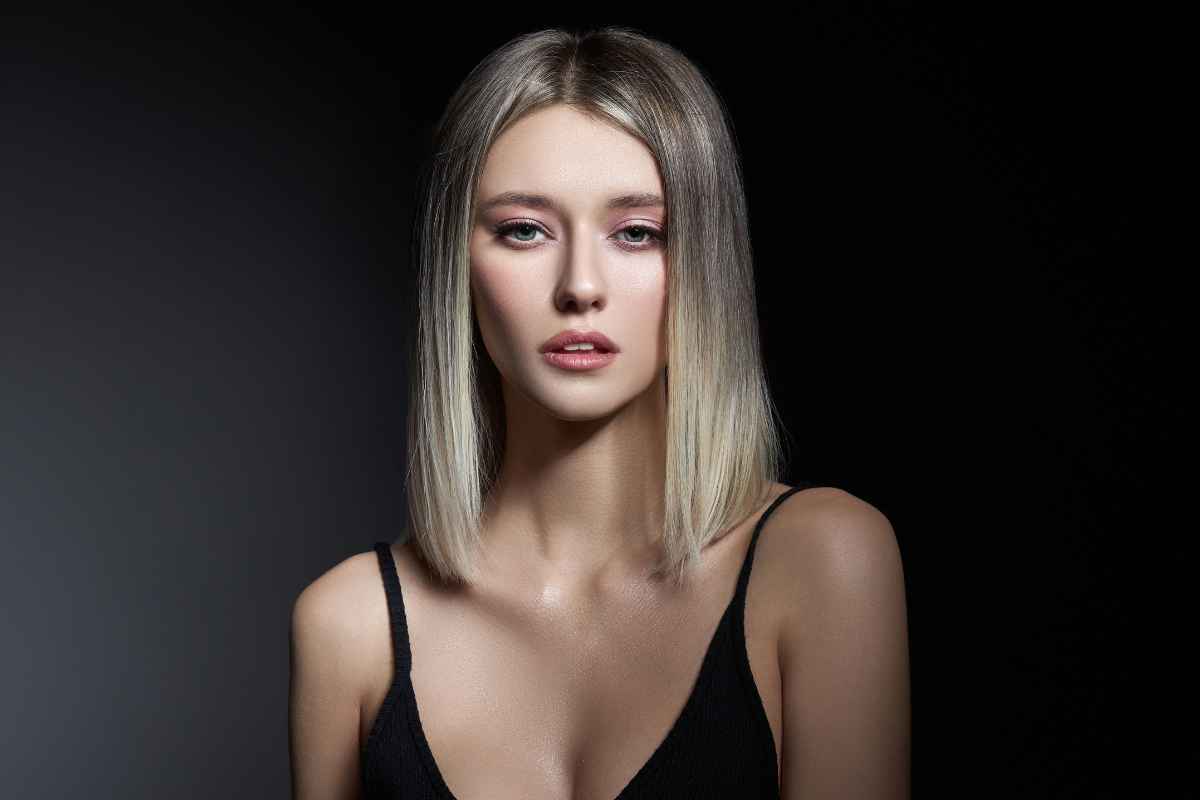
Haircuts and colors should support each other. If you’re rocking layers, color can be used to accentuate movement. If you have a blunt bob, subtle color changes add depth and prevent it from looking flat.
When face shape is your focus, discuss with your stylist how the cut and color work together. You may need softer layers in front to enhance framing, or deeper roots to shift the weight visually.
Final Thoughts
Hair color isn't just a finishing touch—it's a design tool. When used with purpose, it can reshape, refine, and elevate your entire appearance.
By choosing shades and placement that work with your face shape, you move beyond trends and into tailored beauty that highlights what’s already uniquely yours.
The next time you think about changing your look, don’t just ask what cut suits your face—ask what color placement enhances it. A small shift in highlight or depth can completely transform the way your features come alive.
Because sometimes, the difference between “nice hair” and a look that turns heads is all in the color.
Did you find this post useful or inspiring? Save THIS PIN to your Beauty Board on Pinterest! 😊
You may also like