
How to Prevent Peeling Cuticles and Keep Your Hands Soft
13/04/2025 · Updated on: 21/10/2026
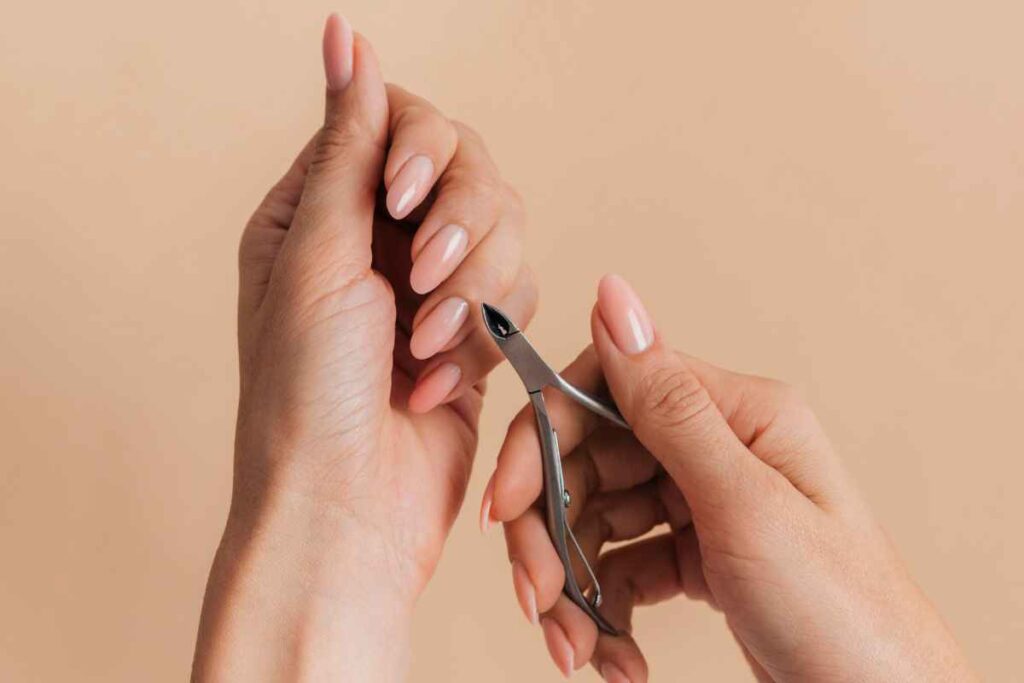
Dry, peeling cuticles are not only uncomfortable but can also make hands look neglected. Factors like weather changes, excessive hand washing, exposure to harsh chemicals, and lack of moisture all contribute to the problem.
Fortunately, there are effective ways to prevent peeling cuticles and maintain soft, healthy hands.
Why Cuticles Peel
Understanding why cuticles peel is the first step in preventing the problem. The cuticle acts as a protective barrier between the skin and the nail, preventing infection and irritation.
When the cuticle becomes dry, cracked, or damaged, it can peel away from the nail, leading to discomfort and potential infection.
Common Causes of Peeling Cuticles
- Dryness: Lack of moisture is one of the leading causes of peeling cuticles. Cold weather, low humidity, and indoor heating can all contribute to dry skin.
- Frequent Hand Washing: While necessary for hygiene, excessive washing can strip the skin and cuticles of their natural oils.
- Chemical Exposure: Household cleaners, acetone-based nail polish removers, and other harsh chemicals can cause irritation and dryness.
- Poor Nail Care Habits: Over-trimming or cutting the cuticles can weaken them, making them more prone to peeling.
- Nutritional Deficiencies: Lack of essential vitamins and minerals, such as vitamin E, biotin, and zinc, can contribute to brittle, peeling cuticles.

Preventing Peeling Cuticles
Preventing peeling cuticles involves a combination of proper hydration, gentle care, and protecting the hands from harmful elements.
Hydration Is Key
Keeping cuticles well-moisturized is one of the most effective ways to prevent peeling.
- Use a Rich Moisturizer: Applying a nourishing hand cream regularly helps lock in moisture and protect the skin’s natural barrier.
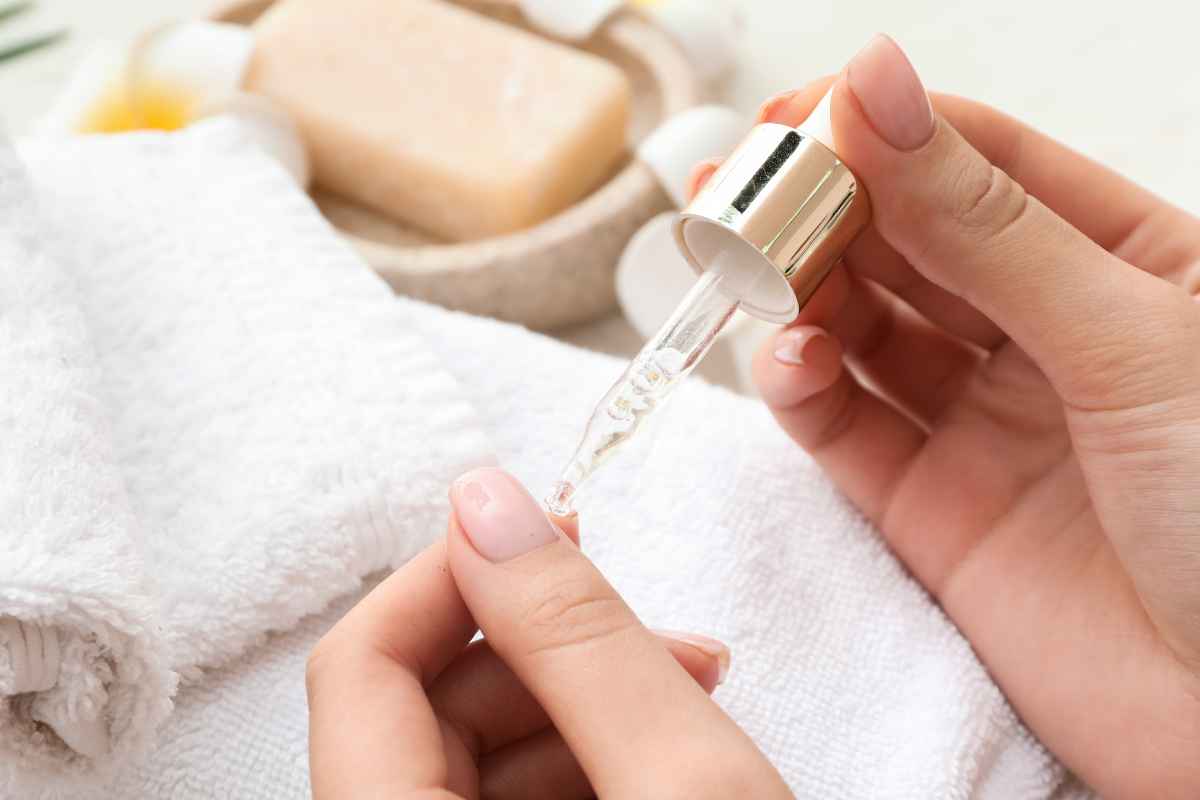
- Cuticle Oils and Balms: Specialized cuticle products containing ingredients like jojoba oil, shea butter, and vitamin E provide essential hydration and nourishment.
- Overnight Treatment: Applying a thick layer of moisturizer or cuticle balm before bed and wearing cotton gloves can enhance absorption and improve overall softness.
Gentle Hand Washing Practices
While cleanliness is essential, it’s important to avoid excessive dryness caused by frequent washing.
- Use Gentle Soaps: Opt for sulfate-free or moisturizing hand washes that clean without stripping away natural oils.
- Warm Water Instead of Hot: Hot water can dry out the skin, so using lukewarm water is a better choice.
- Apply Moisturizer After Washing: Immediately applying a hydrating product helps replenish lost moisture.
Protecting Hands From Damage
Exposure to harsh elements and chemicals can cause cuticles to peel.
- Wear Gloves When Cleaning: Using rubber or latex gloves while handling household cleaners helps protect the skin from irritation.
- Avoid Excessive Use of Hand Sanitizers: Alcohol-based sanitizers can be incredibly drying. Opt for moisturizing formulas whenever possible.
- Shielding Hands From Cold Weather: Wearing gloves during winter months helps prevent moisture loss caused by cold air and wind.
Proper Nail Care
Healthy cuticles are part of a well-maintained nail care routine.
Avoid Cutting Cuticles
Cutting or trimming cuticles can cause damage and increase the risk of peeling. Instead, gently pushing them back with a clean, soft tool is a safer alternative.
Regularly Moisturizing Nails and Cuticles
Hydrating nails and cuticles with oils or creams helps maintain flexibility and prevents cracking.
Using Non-Acetone Nail Polish Removers
Acetone-based removers are harsh and can dry out the nails and surrounding skin. Non-acetone formulas are gentler and less likely to cause irritation.
Nutritional Support for Healthy Cuticles
Diet plays an important role in maintaining skin and nail health. Ensuring proper intake of certain nutrients can help prevent cuticle issues.
Vitamins and Minerals That Support Nail Health
- Vitamin E: A powerful antioxidant that promotes skin health and prevents dryness.
- Biotin: Known for strengthening nails and preventing brittleness.
- Zinc: Essential for skin repair and regeneration.
- Omega-3 Fatty Acids: Promote hydration and elasticity in the skin.
Hydration From Within
Staying adequately hydrated is just as important as using external moisturizers. Drinking enough water helps maintain skin moisture levels, including the delicate cuticle area.
Signs of Over-Moisturizing
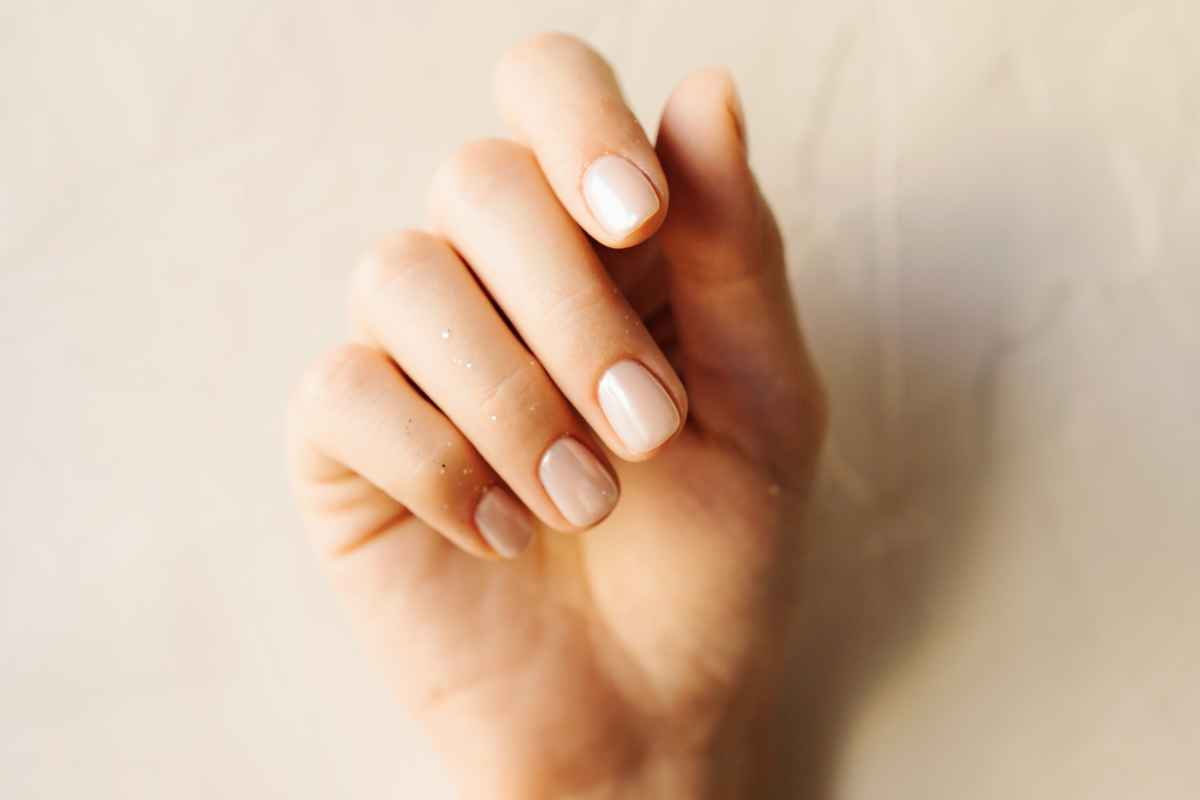
While hydration is crucial, it’s possible to overdo it. Applying heavy creams or oils too frequently can result in clogged pores or overly soft cuticles that tear easily.
How to Avoid Over-Moisturizing
- Allow cuticles to dry between applications.
- Avoid layering too many products at once.
- Use lightweight oils or creams during the day and heavier treatments at night.
When to Seek Professional Help
If peeling cuticles persist despite proper care, it may indicate an underlying issue such as an infection, eczema, or a vitamin deficiency. Consulting a dermatologist or healthcare provider can help identify the cause and recommend appropriate treatment.
Conclusion
Preventing peeling cuticles requires a combination of good hygiene, proper hydration, and gentle care. Using nourishing creams, oils, and protective measures helps keep hands and cuticles soft and healthy.
Paying attention to signs of irritation or dryness and making adjustments as needed can greatly improve the condition of cuticles over time.
Consistency is key. By prioritizing hand and cuticle care, it’s possible to maintain smooth, hydrated skin that feels as good as it looks.
Did you find this post useful or inspiring? Save THIS PIN to your Beauty Board on Pinterest! 😊

You may also like