
Static Hair in Winter: 8 Easy Ways to Stop Flyaways
19/11/2026

You pull off a wool hat and half your hair floats straight up. You brush it down and it sticks to your face, your scarf, your coat collar. Static hair is one of the most annoying parts of winter, and it tends to show up right when you want to look put together for a holiday party or a work dinner.
The good news: it is usually a dryness and friction problem, and both are things you can manage at home. Below are eight practical ways to calm flyaways, plus the mistakes that quietly make them worse.

Why hair gets so staticky in winter
Static builds up when two surfaces rub together and electric charge has nowhere to go. In humid weather, moisture in the air helps that charge dissipate. In winter, cold air outside and indoor heating inside both leave the air dry, so the charge stays on your hair and the strands push away from each other.
Dry, rough hair makes it worse. When the outer layer of each strand is lifted or damaged, there is more friction, and hair that lacks moisture holds a charge more easily. That is why the fixes below focus on two things: adding slip and moisture to the hair, and cutting down on friction.
1. Use conditioner after every wash
This sounds basic, but it is the step people skip most often when they are in a hurry. The American Academy of Dermatology recommends using conditioner after washing your hair. If your hair is fine or straight, focus it on the ends. If it is dry or curly, work it through the full length.
In winter, give it a minute or two before rinsing instead of washing it straight out. If your hair still feels squeaky after rinsing, it probably needs a richer formula for the colder months, especially if it is color-treated or long.
2. Add a leave-in conditioner
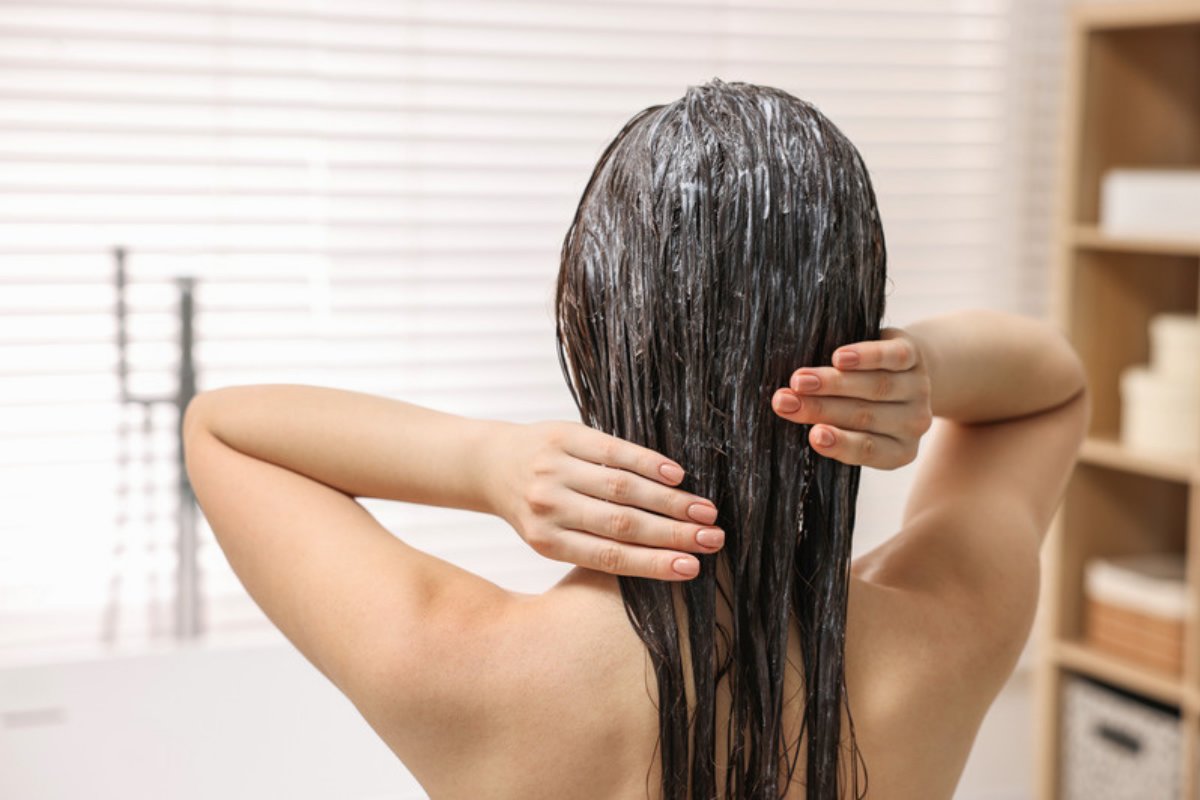
A leave-in is the single most useful product for winter flyaways. The AAD notes that a leave-in conditioner can reduce frizz, static, and flyaway strands, and that a rinse-off conditioner alone may not be enough for hair that is long, fine, color-treated, permed, or heat-styled.
Use it after you shampoo and condition. Towel-dry so your hair is still a bit damp, then apply a small amount to your hair only, not your scalp. Spray formulas go from mid-lengths to ends. One thing to avoid: watering down your regular rinse-off conditioner in a spray bottle. Dermatologists point out that rinse-off conditioners often contain detergent, so they are not meant to stay on your hair.
3. Wrap your hair instead of rubbing it dry
Vigorous towel drying roughs up the hair surface, and rough hair holds more static. The AAD's advice is to wrap your hair in a towel or a soft cotton T-shirt to absorb the water, because roughly rubbing your hair dry can cause damage.
Leave the wrap on for 10 to 15 minutes while you do your skincare or get dressed. Then let your hair air-dry for a while before you style it. This also cuts down the time you need with a hot blow dryer, which helps with tip 5.

4. Swap your brush for a wide-tooth comb
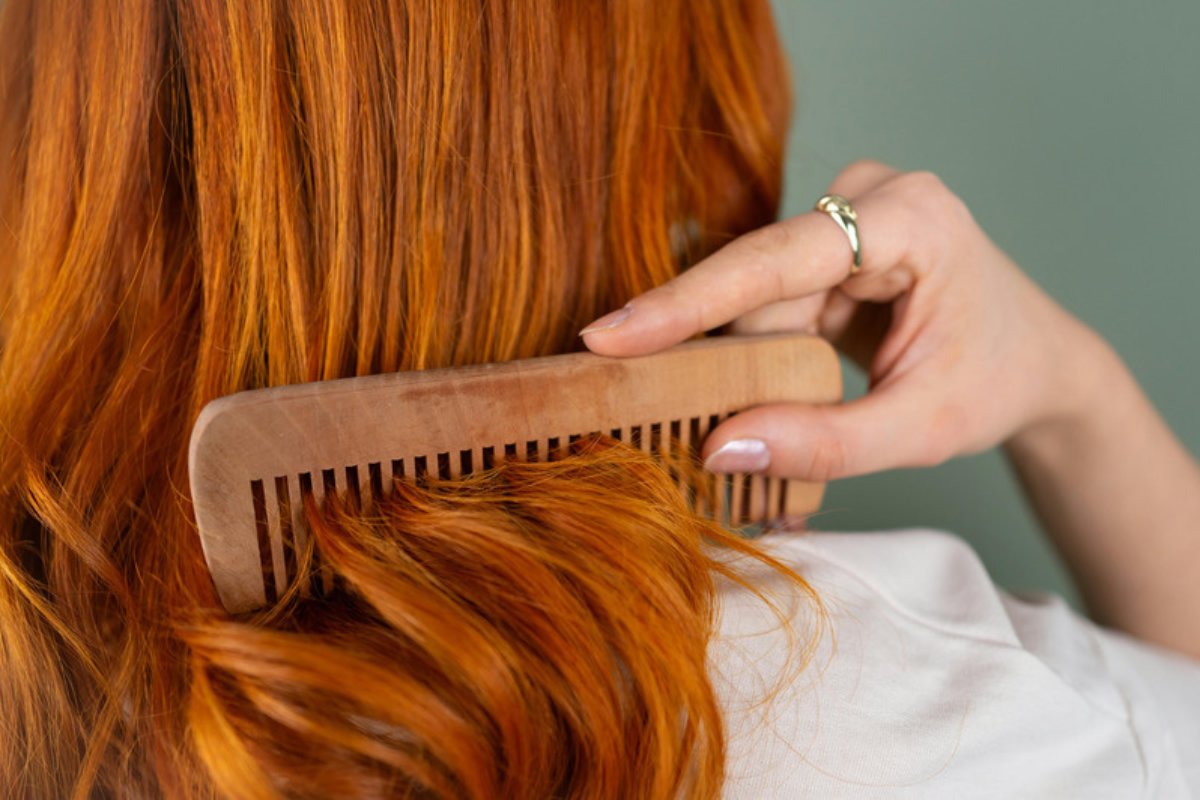
Brushing is a big source of friction, and plastic brushes dragged through dry hair are a classic static trigger. The AAD points out that hair is delicate when wet and suggests detangling with a wide-tooth comb instead of a brush. They also warn that brushing 100 strokes a day can cause split ends, so more brushing is not better.
If you have thick or curly hair, comb through it in the shower while the conditioner is still in. If your hair is straight, let it dry a little before combing. Many people find a wooden comb or a brush with natural bristles creates less static than cheap plastic, so it is worth trying if your current brush leaves you with a halo of flyaways.
5. Turn down the heat
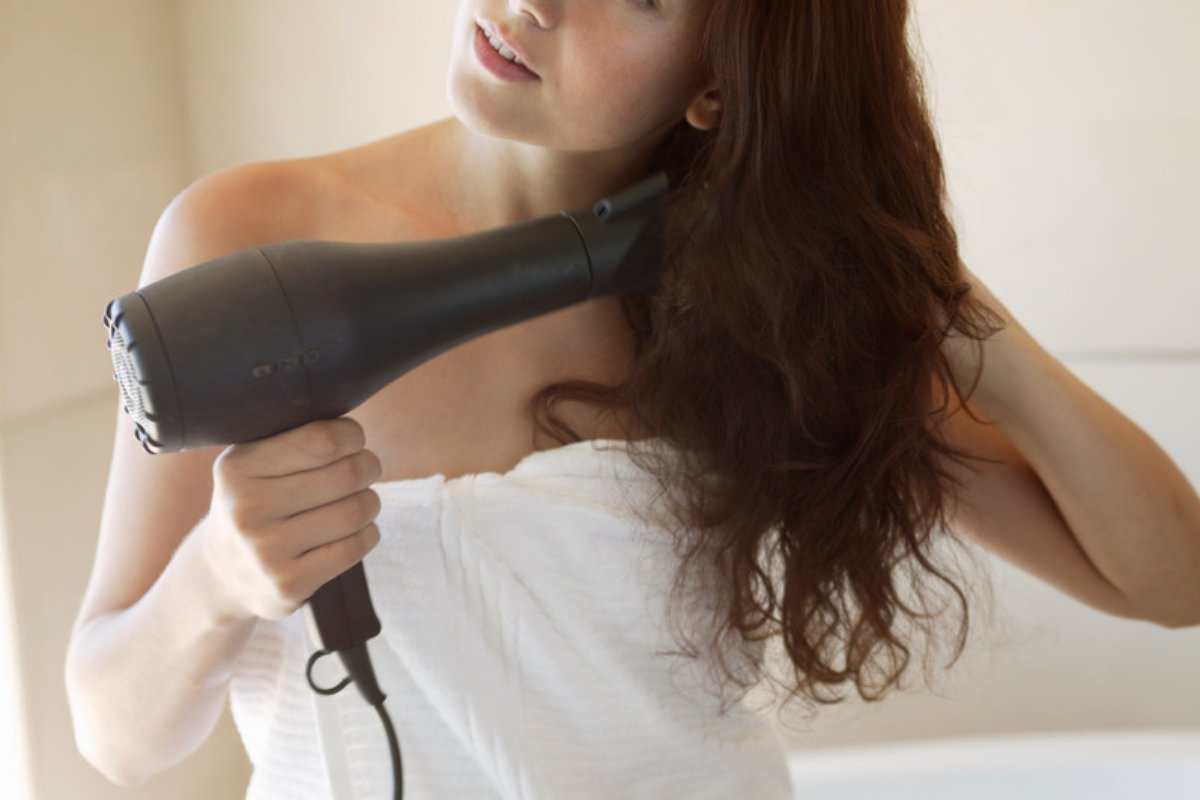
Hot tools dry out hair, and dry hair is more prone to static. You do not have to give them up for the holidays, but use them more carefully. The AAD recommends low or medium heat settings and a product that protects hair from heat. For flat irons, they advise using them on dry hair, on a low or medium setting, no more often than every other day.
When you blow-dry, keep the dryer moving, point the airflow down the hair shaft from roots to ends, and finish with a blast of cool air. Some leave-in conditioners include a heat protectant, which is indicated on the packaging, so you can cover two steps with one product.
6. Smooth the ends with a drop of oil
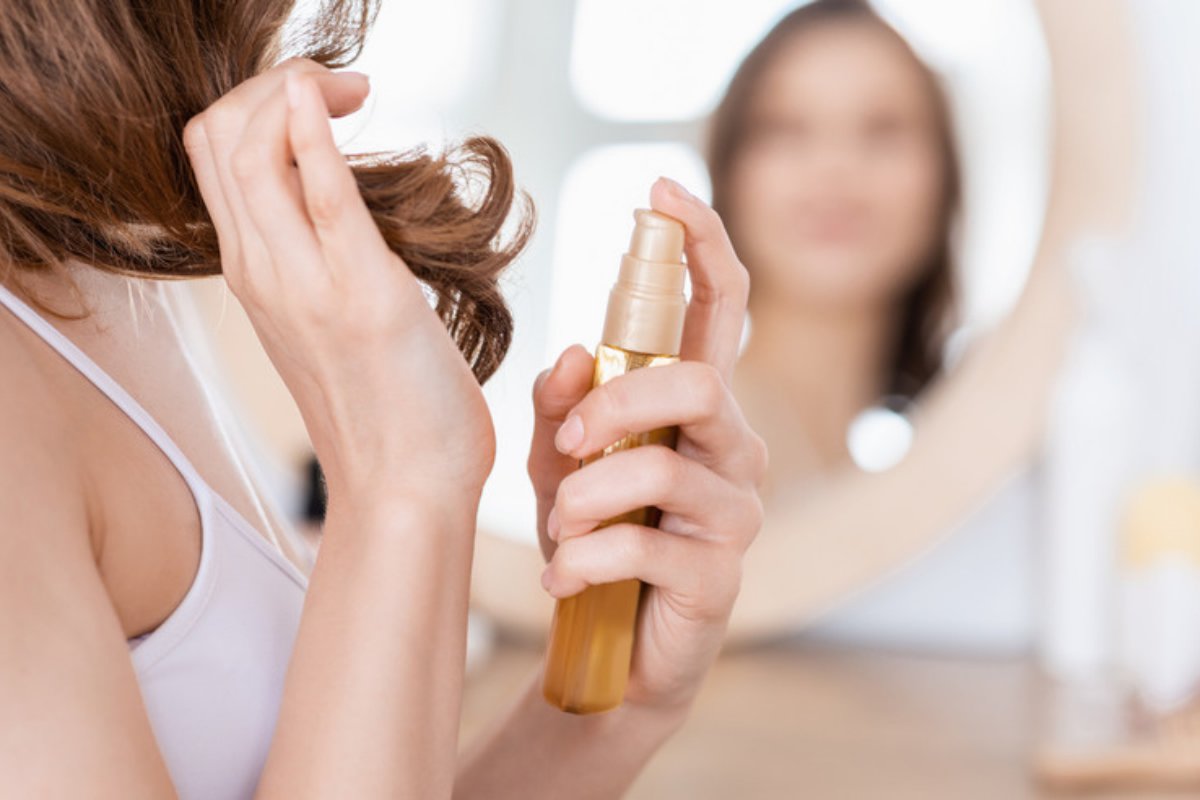
If your hair still feels dry or frizzy after a leave-in, the AAD suggests a bit of oil, such as argan oil, may help. Oil smooths the surface of the strand and adds weight, which keeps flyaways from lifting.
The key word is "drop." Rub one or two drops between your palms and press them onto the mid-lengths and ends, never the roots. Too much will make hair look greasy by lunchtime. This is also the best quick fix during the day: keep a small bottle in your bag and smooth the ends after you take your hat off.
7. Add moisture to the air at home
Since dry indoor air is part of the problem, a humidifier in your bedroom can make a visible difference, especially if you sleep with the heating on. Clean it regularly according to the manufacturer's instructions so it does not build up mold or bacteria.
No humidifier? Drying laundry indoors on a rack or leaving the bathroom door open after a hot shower adds a little moisture too. It will not transform your hair overnight, but it helps your skin and lips as well.
8. Watch your hats, scarves, and pillowcases
Wool and synthetic fabrics are some of the worst offenders for static, and winter means hats, scarves, and high-necked sweaters rubbing against your hair all day. Look for hats with a silk or satin lining, or wear a thin satin scarf under a wool beanie.
At night, a silk or satin pillowcase creates less friction than cotton, so you wake up with smoother hair. When you take your hat off, do it slowly instead of pulling it off in one quick movement, then smooth your hair down with your palms.
Common mistakes that make static worse
- Washing with very hot water. It feels great in winter, but it can leave hair and scalp drier. Lukewarm water is gentler.
- Skipping conditioner because your hair is "too fine." Use a light formula on the ends instead of skipping it.
- Brushing static down with a plastic brush. It often adds more charge. Use your hands, a wide-tooth comb, or a wooden comb.
- Using a heavy oil at the roots. It weighs hair down and makes it look greasy without fixing the ends.
- Rubbing your hair with a towel. Wrap it instead.
- Diluting rinse-off conditioner as a DIY leave-in. Use a product made to stay on the hair.
Frequently asked questions
Why is my hair more staticky after I wash it?
Freshly washed hair has had its natural oils removed, and if you skip conditioner or rub it dry with a towel, the surface is left rough and dry. That combination holds a charge easily. Conditioner, a leave-in, and wrapping your hair instead of rubbing usually fix it.
Can I use hand cream on static hair?
In a pinch, a tiny amount of unscented hand cream rubbed between your palms and smoothed over the surface of your hair can calm flyaways. Use very little, keep it away from your scalp, and wash it out with your next shampoo. A leave-in or a drop of hair oil is a better everyday choice.
Do new hair products need a patch test?
If you have sensitive skin or have reacted to hair products before, it is a good idea. The AAD suggests testing a new product on a small spot, such as the underside of your arm or the bend of your elbow, twice a day for seven to 10 days. If you get red, itchy, or swollen skin, wash it off gently and stop using it. If you react to fragrance, look for products labeled "fragrance free," since "unscented" products can still contain fragrance-related ingredients.
More beauty ideas
- How to Prevent Split Ends: Tips for Healthier Hair
- How to Transition Your Hair Care Routine for Different Seasons
- Christmas Hairstyles: Cute, Easy Holiday Looks
- How to Choose the Best Shampoo and Conditioner for Your Hair Type
Static hair is not a sign that something is wrong with your hair. It is winter air doing what winter air does. With conditioner every wash, a light leave-in, gentler drying, and fewer rough fabrics against your hair, most flyaways settle down within a week or two.

You may also like