
Winter Beard Care: 8 Ways to Stop Itch, Dryness and Beard Dandruff
26/11/2026

Cold wind outside, dry heat inside, a scarf rubbing against your chin all day. Winter is hard on beards, and even harder on the skin underneath them. That is usually where the itch, the flakes and the rough, wiry feel come from, not the hair itself.
A few small changes to the way you wash, moisturize and groom can make a big difference. Here are eight practical ways to keep your beard soft and the skin under it comfortable until spring, plus the mistakes that tend to make winter beard problems worse.
Why beards get itchy and dry in winter
Cold outdoor air holds very little moisture, and indoor heating dries the air even more. Your skin loses water faster, and the skin under a beard is easy to forget because you can't see it. When it dries out, it gets tight and itchy, and small flakes start showing up in the hair.
Hot showers, harsh soaps and constant friction from collars and scarves add to the problem. The good news is that most of this is about routine, and the fixes below are simple.
1. Wash with lukewarm water and a gentle cleanser

A long, hot shower feels great on a freezing morning, but very hot water strips the natural oils from your skin and beard. Turn the temperature down to lukewarm when you wash your face, and keep it short.
Skip the bar soap. The American Academy of Dermatology (AAD) recommends washing your face and beard daily with a gentle cleanser instead of soap. If your skin tends to be dry, a hydrating, fragrance-free cleanser is a good choice. If it is oily or breaks out easily, look for a gel cleanser labeled "non-comedogenic."
Work the cleanser into the beard with your fingertips in small circles so it reaches the skin, then rinse well. Pat dry with a clean towel instead of rubbing, and leave your skin slightly damp for the next step.
2. Moisturize the skin underneath right away
This is the step most men skip, and it is the one that helps the most with winter itch. Moisturizer works best on skin that is still a little damp, so apply it within a few minutes of washing.
Dermatologists suggest not skipping moisturizer even if your skin is oily or acne-prone. While your beard is still short stubble, a regular face moisturizer is enough. If you spend time outdoors, one with SPF 30 or higher also protects the exposed skin on your cheeks, nose and forehead. Winter sun reflecting off snow is stronger than most people expect.
3. Use beard oil or conditioner, but go easy
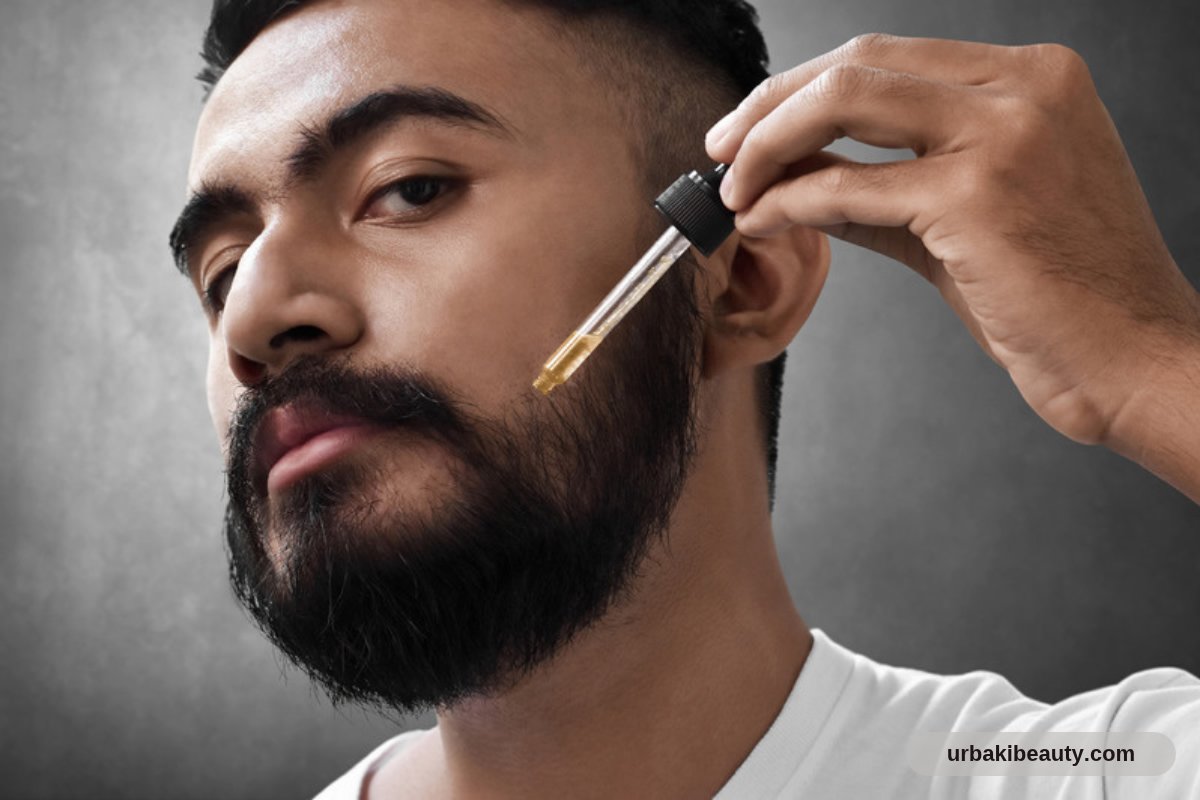
Beard oil softens the hair and helps the skin underneath stay comfortable. According to the AAD, beard oil suits normal to dry skin, while a beard conditioner is the better pick if you are prone to breakouts. If your skin is sensitive, a fragrance-free, non-comedogenic moisturizer is the safest option.
A little goes a long way. Start with a few drops, warm them between your palms and massage them into the skin first, then smooth the rest through the hair. Using too much leaves the beard greasy and can clog pores.
Trying a new oil? Fragrance and some plant oils can irritate sensitive skin. Do a patch test first: apply a small amount to a small spot, such as the inside of your elbow, for a few days and stop if you notice redness, itching or a rash.
4. Brush and comb gently every day
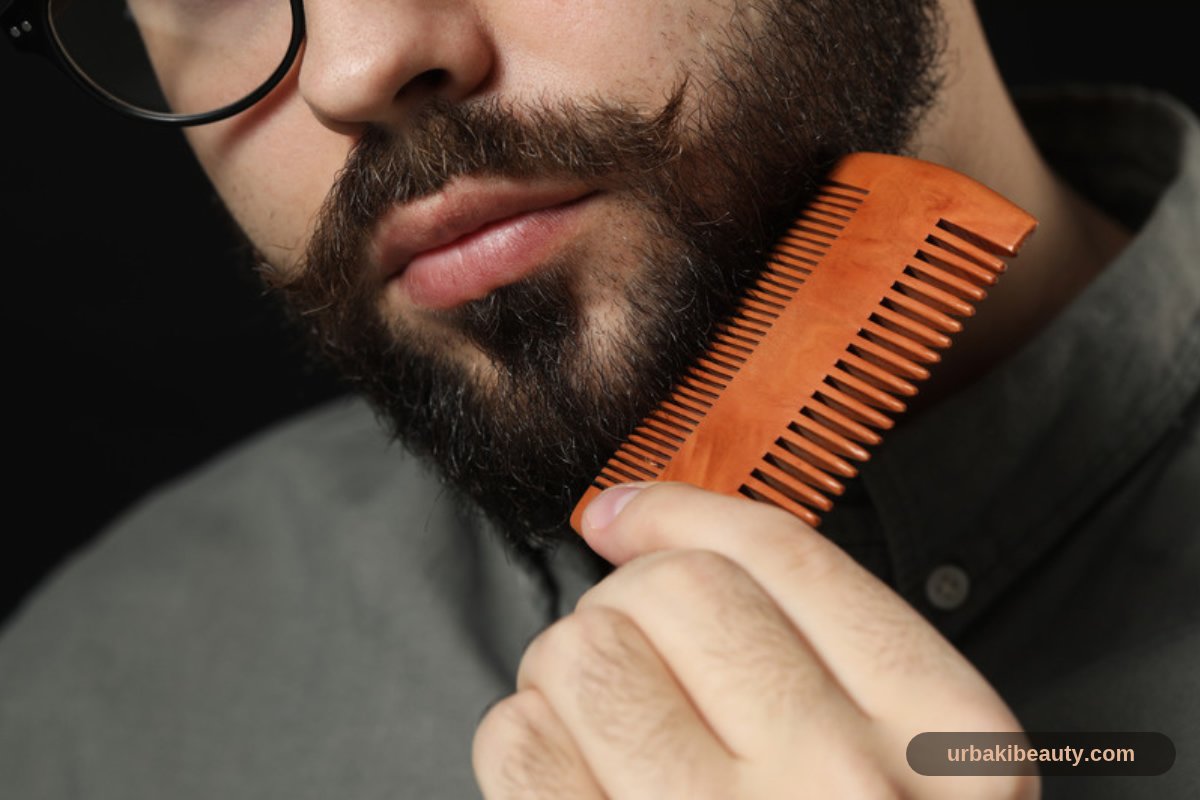
Daily brushing spreads oil and conditioner evenly, lifts away loose flakes and trains the hair to lie flat. A soft boar-bristle brush works well for short and medium beards, and a wide-tooth comb is easier on longer ones.
Be gentle. Hard brushing irritates the skin and can make flaking worse. A comb glides more easily through a beard that is slightly damp.
If flakes are your main problem, the AAD suggests brushing your beard before you wash your face, so the loosened flakes rinse away.
5. Deal with beard dandruff early
White flakes and redness under the beard are often a sign of seborrheic dermatitis, the same condition that causes dandruff on the scalp. Dermatologists sometimes call it "beardruff," and it tends to flare up in cold, dry weather.
The AAD recommends washing the beard (and scalp) at least once a week with a dandruff shampoo that contains 2% zinc pyrithione, 1% ketoconazole or 1% selenium sulfide. Follow the directions on the label, rinse thoroughly and moisturize afterward.
If the flakes don't improve, or you notice pain, broken skin or acne-like bumps along with them, see a board-certified dermatologist. They can confirm what is going on and suggest a treatment that fits your skin.
6. Trim and shave the smart way
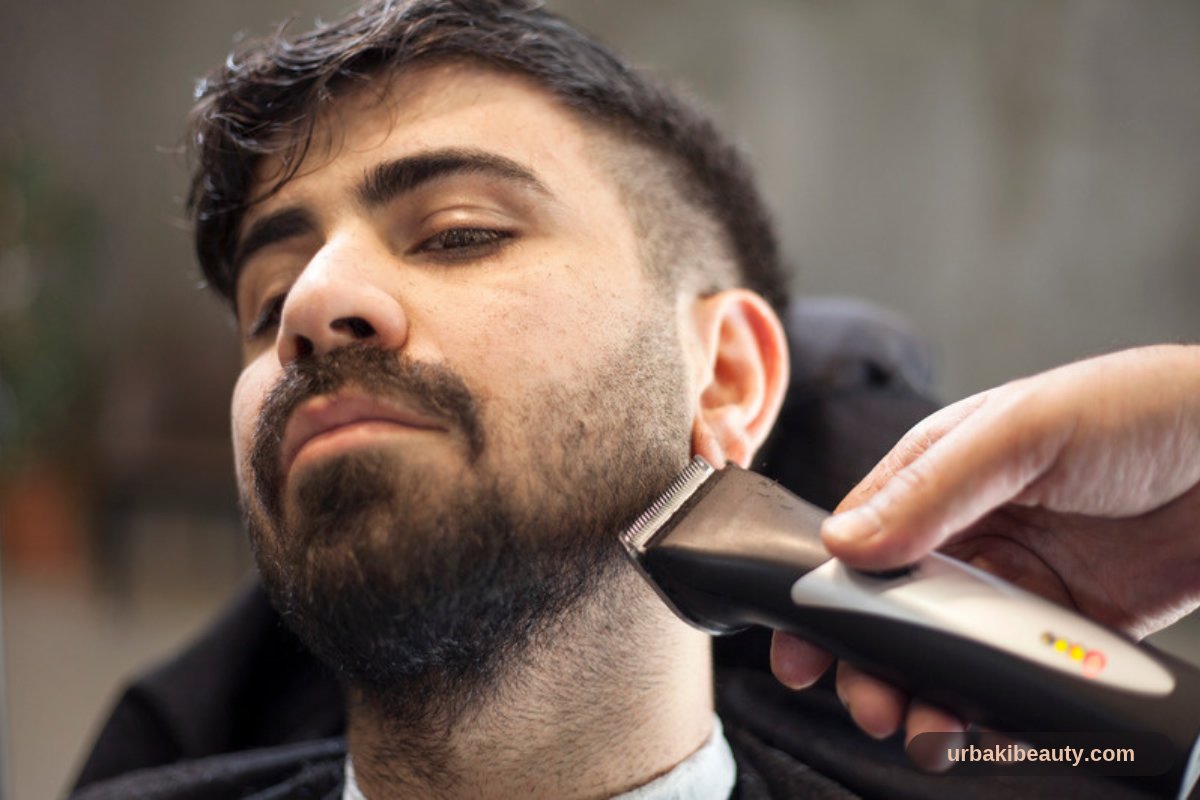
Regular trims remove dry, split ends and keep the shape neat, so the beard looks fuller and feels softer. An electric trimmer is easiest for the body of the beard, and scissors help with longer sections.
For cleaning up your neckline and cheeks, the AAD suggests shaving at the end of a shower or right after, when the heat has softened the hair. Use a shaving cream or gel, shave in the direction the hair grows and rinse the blade after every stroke. Shaving against the grain can lead to ingrown hairs in some men.
Change your razor blade every five to seven shaves, store the razor somewhere dry and moisturize right after you finish. Dull blades drag across skin that is already dry from winter weather.
7. Protect your face from cold and wind

Your beard gives some protection, but the skin around it still takes a beating. Dermatologists advise protecting skin from cold, dry weather and wearing a hat outdoors, especially if you deal with flaking.
Pay attention to what touches your face. Rough wool or synthetic scarves can rub and irritate a dry beard line. A soft cotton layer between your skin and the scarf, or a scarf made from a smooth fabric, is gentler.
8. Keep your hands off
Stroking your beard while you think is a hard habit to break, but it transfers dirt and germs from your hands to the skin underneath. It also roughs up the hair and makes frizz worse.
If your beard itches, that is a sign it needs moisture or a gentle wash, not scratching. Scratching can break the skin, and broken skin is more likely to get irritated or infected.
Common winter beard care mistakes
- Washing with hair shampoo every day. Regular shampoo can be too harsh for facial skin and leaves the beard dry and coarse. Use a gentle face cleanser and save dandruff shampoo for when you need it.
- Only oiling the hair. Beard oil does the most good when it reaches the skin. Massage it in before smoothing it through the ends.
- Using too much product. A heavy hand with oil, balm or wax leaves residue that attracts dirt and can clog pores.
- Skipping trims until spring. Dry ends split and tangle faster in winter. A light trim every few weeks keeps things soft.
- Ignoring the skin. If the skin under your beard is red, flaky or sore for weeks, don't just add more oil. Get it checked by a dermatologist.
Frequently asked questions
How often should I wash my beard in winter?
The AAD recommends washing your face and beard daily with a gentle cleanser, not soap. If your skin feels dry, use lukewarm water, keep it brief and moisturize right after. Dandruff shampoo is usually only needed about once a week, or as directed on the label.
Is beard oil or beard balm better for winter?
Both can help. Oil absorbs quickly and reaches the skin more easily, which makes it a good daily choice for normal to dry skin. Balms are thicker and add more hold, which helps with flyaways on longer beards. If you break out easily, a non-comedogenic beard conditioner is often a better fit than oil.
Why does my beard itch more in winter?
Most of the time it is dry skin. Cold air, indoor heating and hot showers pull moisture from the skin under your beard. A gentler cleanser, daily moisturizer and a little beard oil usually help. If the itch comes with persistent flakes, redness or soreness, a dermatologist can check for conditions like seborrheic dermatitis.
More beauty ideas
- Homemade Beard Oils: Recipes for a Healthier Beard
- How to Maintain a Well-Groomed and Stylish Beard
- Scalp Care for Men: How to Avoid Dandruff and Itchiness
- Daily Skincare for Men Who Wear Beanies or Hats Often
A winter beard doesn't need a long list of products. Wash it gently, moisturize the skin under it, comb it every day and keep it trimmed, and it will stay soft and comfortable right through the cold months.

You may also like