
Dry, Cracked Hands in Winter: 9 Ways to Soothe and Protect Them
05/11/2026
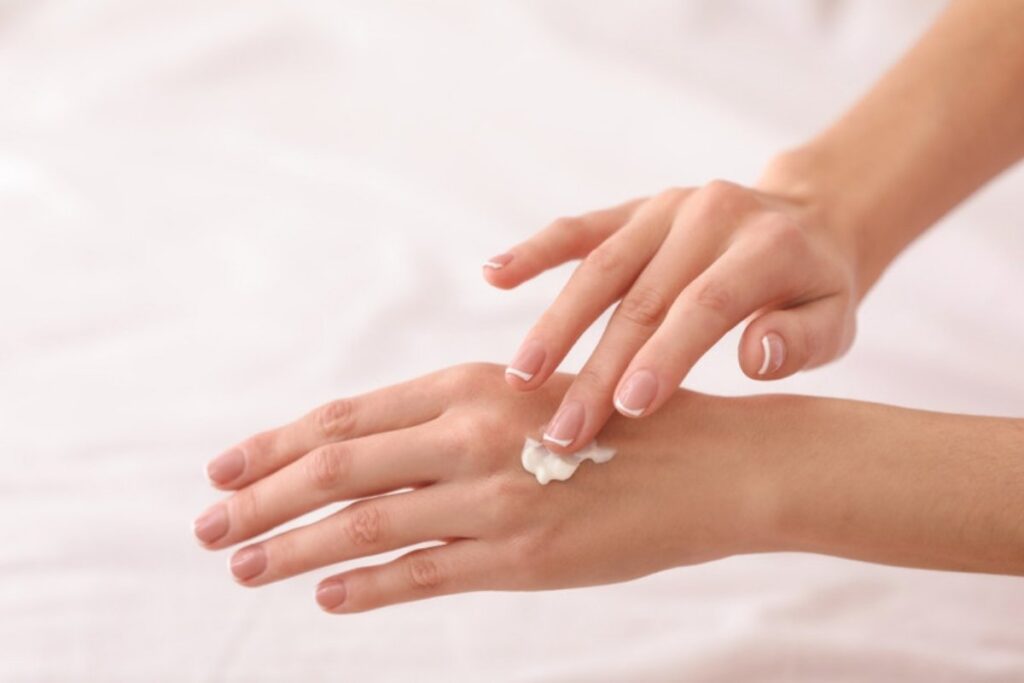
Cold air outside, dry heat inside, and more hand washing than any other time of year. By mid-December a lot of us have knuckles that sting, rough patches that catch on sweaters, and tiny cracks around the fingertips. The good news: dry winter hands usually respond well to a few small, consistent habits.
Below are the steps dermatologists recommend most often, plus the mistakes that quietly undo them.
Why Hands Get So Dry in Winter
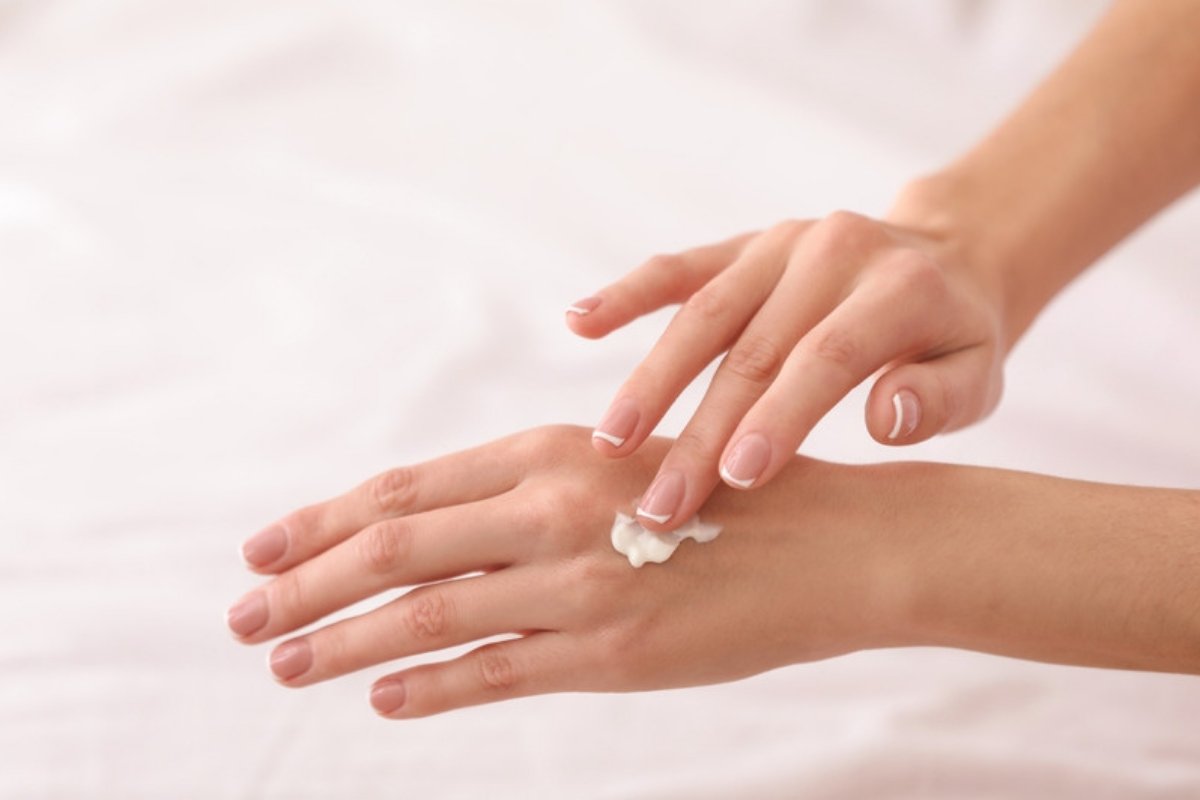
The skin on the back of your hands is thin and has fewer oil glands than your face. In winter it gets hit from every side: low humidity outdoors, heated rooms indoors, hot water, soap, and sanitizer. Each of these pulls moisture out of the top layer of skin faster than it can be replaced.
Once that outer layer dries out, it loses flexibility. That is when you start to see flaking, tightness, and cracks over the knuckles and around the nails. The aim of everything below is simple: lose less water and put moisture back in often.
1. Moisturize Every Time You Wash Your Hands
This is the habit that makes the biggest difference. The American Academy of Dermatology (AAD) suggests applying hand cream after each hand washing, while the skin is still slightly damp. A moisturizer applied at that moment helps hold in the water that is already on your skin.
The easiest way to make it stick is to put a tube next to every sink you use: kitchen, bathroom, and desk. A small one in your coat pocket or bag covers the rest of the day.
2. Pick a Cream or Ointment, Not a Thin Lotion
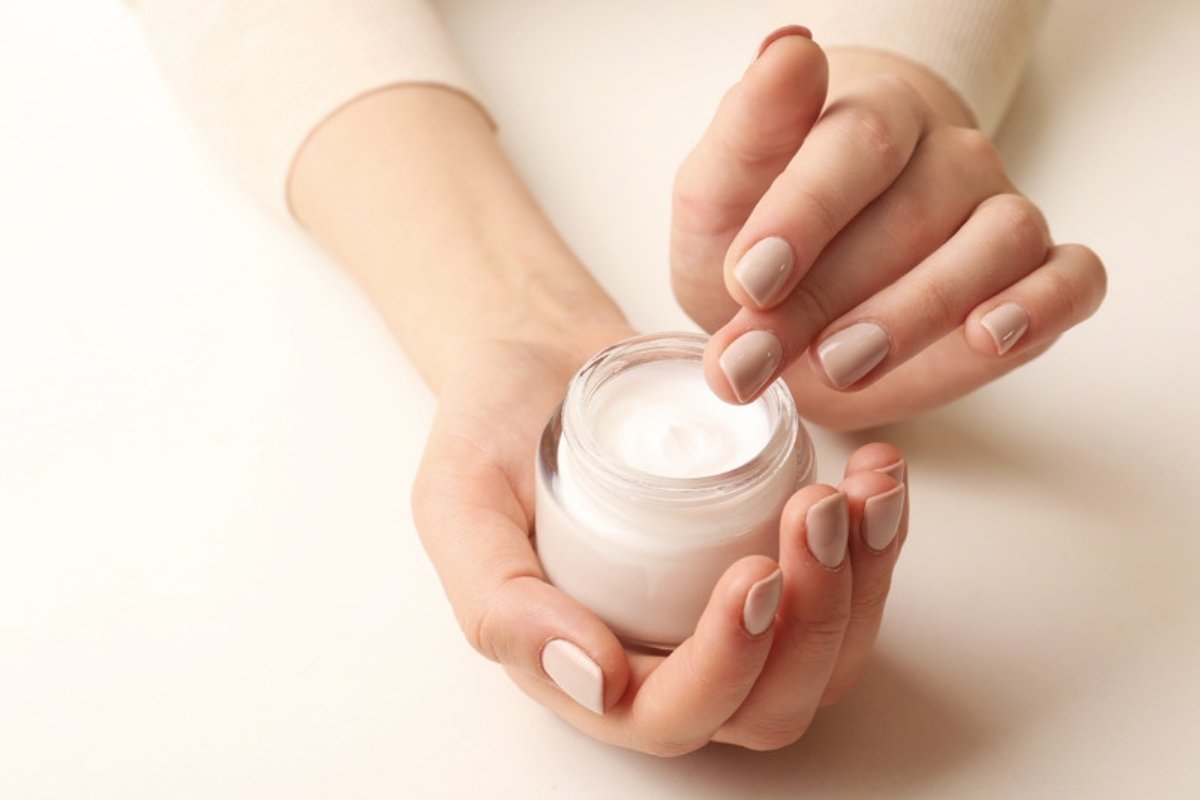
According to the AAD, creams and ointments are more effective for dry skin than lotions. Lotions are mostly water, so they feel light but wear off quickly. Creams come in jars or tubes and feel richer; ointments are the thickest and the most protective.
A practical split: use a non-greasy cream during the day so you can still type and hold your phone, and save the heavier ointment for the evening, when it can sit on your skin for hours.
3. Check the Label for Ingredients That Actually Help
You do not need an expensive formula. The AAD lists several ingredients that help dry skin: glycerin, hyaluronic acid, dimethicone, lanolin, mineral oil, petrolatum, shea butter, jojoba oil, and lactic acid.
Glycerin and hyaluronic acid draw water into the skin. Petrolatum, mineral oil, and dimethicone form a protective layer on top. Many good hand creams combine both types. If your skin is sensitive, or you are trying something with lanolin or lactic acid for the first time, do a patch test on a small area for a couple of days before using it all over.
4. Go Fragrance-Free
Scented hand creams are popular holiday gifts, but fragrance is one of the ingredients the AAD recommends avoiding when skin is dry. Cracked skin is easier to irritate, and a lovely scent can turn into stinging.
Look for products labeled "fragrance-free." The AAD points out that "unscented" is not the same thing: those products can still contain ingredients that mask odor. Keep the scented creams for when your hands are back to normal.
5. Wash With Lukewarm Water and a Gentle Soap
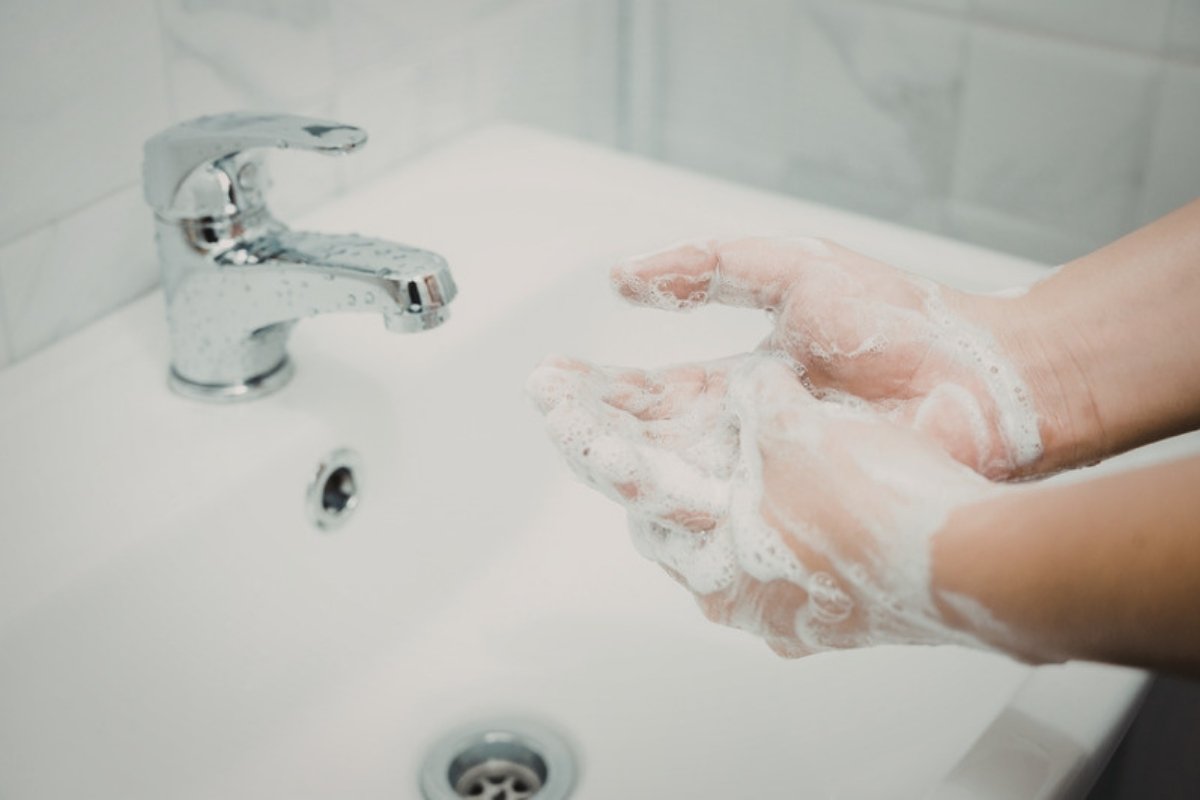
Hot water feels great on a cold day, but it strips oils from your skin. Use warm, not hot, water and a mild cleanser. Mayo Clinic notes that switching from harsh, drying soaps to a mild soap and rinsing well can help cracked fingertips heal.
Pat your hands dry with a towel instead of rubbing, then go straight to step one. You still need to wash your hands well, especially during cold and flu season. The goal is to wash gently, not less.
6. Wear Gloves Outside and for Wet Chores
Gloves are the simplest barrier you have. The AAD recommends wearing them in cold, dry air and also for jobs that keep your hands wet, like washing dishes. Mayo Clinic gives the same advice for anyone who washes dishes often in hot water.
For winter walks, a pair of soft knit gloves or mittens is enough. For dishes and cleaning, rubber gloves keep both water and cleaning products off your skin. If rubber feels sweaty, a thin cotton glove underneath helps.

7. Try an Overnight Hand Treatment
Night is the best time to give dry hands extra help, because you are not washing them every hour. Mayo Clinic suggests applying a heavier oil-based cream or petroleum jelly at bedtime and covering it with cotton gloves.
Wash your hands, pat them almost dry, apply a generous layer, and slip on the gloves. In the morning, wipe off any extra and follow with your daytime cream. Doing this a few nights in a row is often enough to calm rough knuckles.
8. Add Moisture Back to the Air
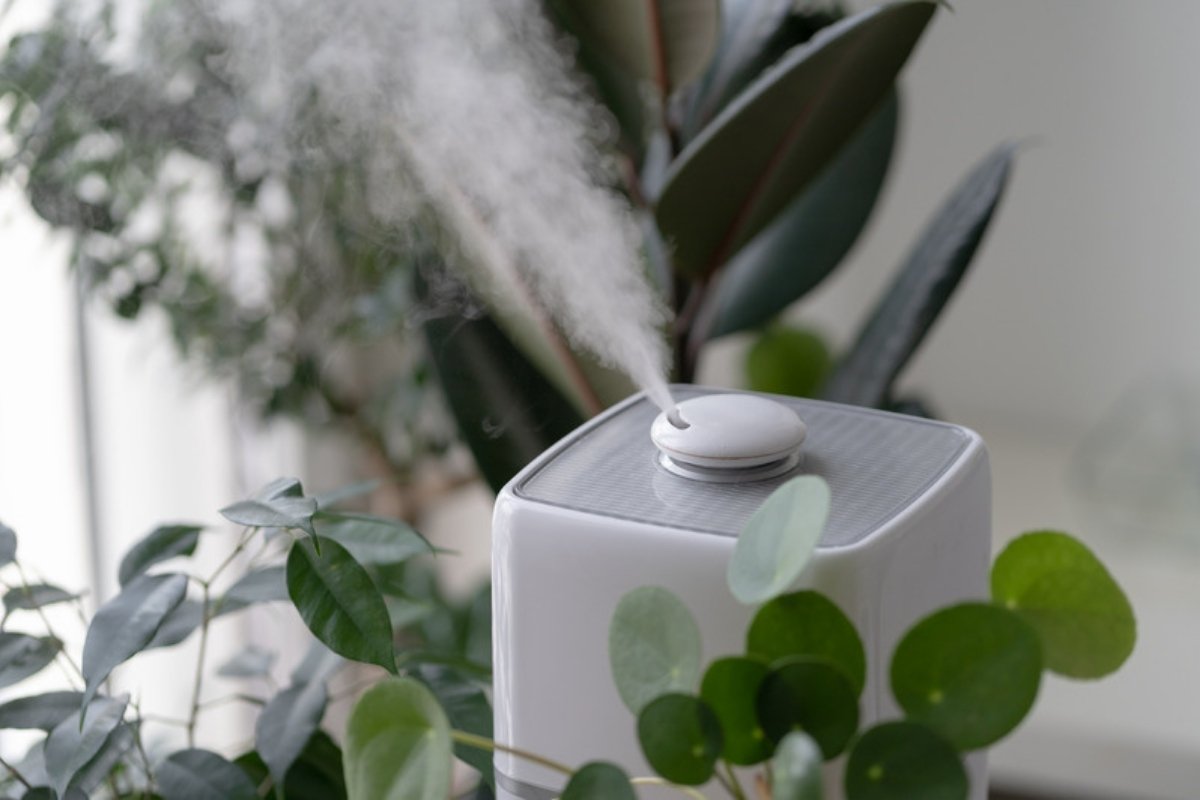
Indoor heating makes the air very dry, and your skin feels it all day. The AAD recommends using a humidifier and cleaning it regularly so it does not build up mold or bacteria.
Keeping showers short (the AAD suggests 5 to 10 minutes) with warm rather than hot water also helps your whole body, hands included.
9. Protect Deep Cracks and Know When to Get Help
Painful splits on the fingertips or knuckles need a bit more care. Mayo Clinic suggests sealing them with a liquid bandage to help them start to heal, then keeping the area moisturized.
If your hands stay dry, itchy, or cracked after a few weeks of these steps, see a board-certified dermatologist. The AAD notes that dry skin that does not improve can be a sign of a skin condition such as eczema (atopic dermatitis) or psoriasis, which needs proper treatment. Check with a dermatologist too before using anti-itch creams.
Common Mistakes to Avoid
- Moisturizing only once a day. One application in the morning will not survive a day of hand washing. Reapply after every wash.
- Using very hot water. It feels warming but leaves skin drier than before.
- Choosing heavily scented products. Fragrance can sting and irritate skin that is already cracked.
- Skipping gloves for "quick" chores. Ten minutes of dishwashing in hot water adds up fast.
- Picking at peeling skin. Pulling at flakes or hangnails can open new cracks. Moisturize and let them settle.
Frequently Asked Questions
Is hand sanitizer bad for dry hands?
Hand sanitizer can feel drying, but it is still useful when you cannot wash your hands. The AAD includes it as the one exception in its advice to avoid alcohol on dry skin. Let it dry, then apply a little hand cream afterward.
How long does it take for dry, cracked hands to improve?
Many people notice softer skin within a few days of moisturizing after every wash and using an overnight treatment. Deeper cracks can take longer. If there is no improvement after a few weeks, it is a good idea to see a dermatologist.
Can I use body lotion on my hands?
You can, but thin lotions wear off quickly on hands that get washed many times a day. A thicker cream or ointment usually works better in winter.
More Beauty Ideas
- How to Prevent Peeling Cuticles and Keep Your Hands Soft
- How to Keep Your Skin Hydrated During the Winter Months
- 5 Common Winter Skin Care Mistakes You Should Avoid
- How to Heal Chapped Lips in Winter: 8 Dermatologist-Backed Tips
A few small habits, repeated every day, are what keep winter hands comfortable. Keep a cream by the sink, pull on your gloves before you head out, and give your hands a little extra care at night.

You may also like